

Category / Exhibition / Sunday NOV 15 2026
-
![]()

SACRED: HUMAN, ANIMAL AND PLANT | AUSSTELLUNG
Additional opening hours: THU 12 NOV, 6 PM–10 PM |
FRI 13+SAT 14 NOV, 4 PM–10PM |
SUN 15 NOV, 4 PM–8PM | |
NYABA LÉON OUEDRAOGO |
Vernissage & Artist talk |
Free entry |
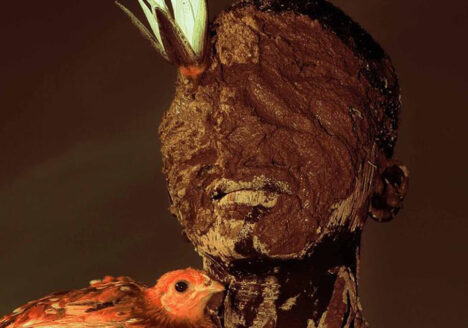
Nyaba L. Ouedraogos photographic work investigates the sacred as a living space shaped by cultural, ecological, and spiritual tensions. In the series THE SACRED: HUMAN, ANIMAL AND PLANT, he explores how humans, animals, and plants coexist in environments where inherited practices remain closely intertwined with the present. The sacred crocodile pond of Bazoulé serves as a point of departure for examining the fragile balance between cultural heritage and ecological change. -
![]()
SACRED: HUMAN, ANIMAL AND PLANT | AUSSTELLUNG
Additional opening hours: THU 12 NOV, 6 PM–10 PM |
FRI 13+SAT 14 NOV, 4 PM–10PM |
SUN 15 NOV, 4 PM–8PM | |
NYABA LÉON OUEDRAOGO |
Vernissage & Artist talk |
Free entry |
Nyaba L. Ouedraogos photographic work investigates the sacred as a living space shaped by cultural, ecological, and spiritual tensions. In the series THE SACRED: HUMAN, ANIMAL AND PLANT, he explores how humans, animals, and plants coexist in environments where inherited practices remain closely intertwined with the present. The sacred crocodile pond of Bazoulé serves as a point of departure for examining the fragile balance between cultural heritage and ecological change. -
![]()
SACRED: HUMAN, ANIMAL AND PLANT | AUSSTELLUNG
Additional opening hours: THU 12 NOV, 6 PM–10 PM |
FRI 13+SAT 14 NOV, 4 PM–10PM |
SUN 15 NOV, 4 PM–8PM | |
NYABA LÉON OUEDRAOGO |
Vernissage & Artist talk |
Free entry |
Nyaba L. Ouedraogos photographic work investigates the sacred as a living space shaped by cultural, ecological, and spiritual tensions. In the series THE SACRED: HUMAN, ANIMAL AND PLANT, he explores how humans, animals, and plants coexist in environments where inherited practices remain closely intertwined with the present. The sacred crocodile pond of Bazoulé serves as a point of departure for examining the fragile balance between cultural heritage and ecological change. -
![]()
SACRED: HUMAN, ANIMAL AND PLANT | AUSSTELLUNG
Additional opening hours: THU 12 NOV, 6 PM–10 PM |
FRI 13+SAT 14 NOV, 4 PM–10PM |
SUN 15 NOV, 4 PM–8PM | |
NYABA LÉON OUEDRAOGO |
Vernissage & Artist talk |
Free entry |
Nyaba L. Ouedraogos photographic work investigates the sacred as a living space shaped by cultural, ecological, and spiritual tensions. In the series THE SACRED: HUMAN, ANIMAL AND PLANT, he explores how humans, animals, and plants coexist in environments where inherited practices remain closely intertwined with the present. The sacred crocodile pond of Bazoulé serves as a point of departure for examining the fragile balance between cultural heritage and ecological change. -
![]()
SACRED: HUMAN, ANIMAL AND PLANT | AUSSTELLUNG
Additional opening hours: THU 12 NOV, 6 PM–10 PM |
FRI 13+SAT 14 NOV, 4 PM–10PM |
SUN 15 NOV, 4 PM–8PM | |
NYABA LÉON OUEDRAOGO |
Vernissage & Artist talk |
Free entry |
Nyaba L. Ouedraogos photographic work investigates the sacred as a living space shaped by cultural, ecological, and spiritual tensions. In the series THE SACRED: HUMAN, ANIMAL AND PLANT, he explores how humans, animals, and plants coexist in environments where inherited practices remain closely intertwined with the present. The sacred crocodile pond of Bazoulé serves as a point of departure for examining the fragile balance between cultural heritage and ecological change. -
![]()
SACRED: HUMAN, ANIMAL AND PLANT | AUSSTELLUNG
Additional opening hours: THU 12 NOV, 6 PM–10 PM |
FRI 13+SAT 14 NOV, 4 PM–10PM |
SUN 15 NOV, 4 PM–8PM | |
NYABA LÉON OUEDRAOGO |
Vernissage & Artist talk |
Free entry |
Nyaba L. Ouedraogos photographic work investigates the sacred as a living space shaped by cultural, ecological, and spiritual tensions. In the series THE SACRED: HUMAN, ANIMAL AND PLANT, he explores how humans, animals, and plants coexist in environments where inherited practices remain closely intertwined with the present. The sacred crocodile pond of Bazoulé serves as a point of departure for examining the fragile balance between cultural heritage and ecological change.