


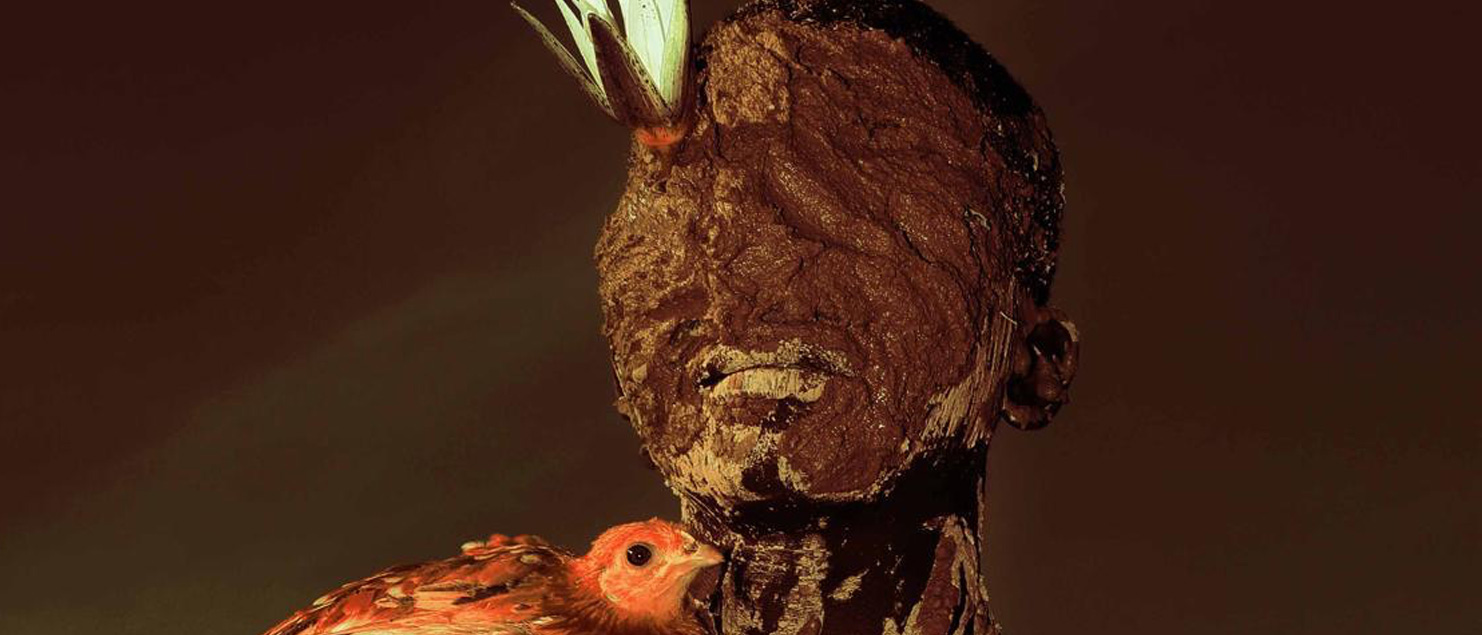
SACRED: HUMAN, ANIMAL AND PLANT | AUSSTELLUNG
NYABA LÉON OUEDRAOGO
EXHIBITION
TUE 10 NOV
6 PM MISS READ SPACE
Vernissage & Artist talk
Free entry
Further opening hours
WED 11+THU 12 NOV, 6 PM–10 PM
FRI 13+SAT 14 NOV, 4 PM–10PM
SUN 15 NOV, 4 PM–8PM
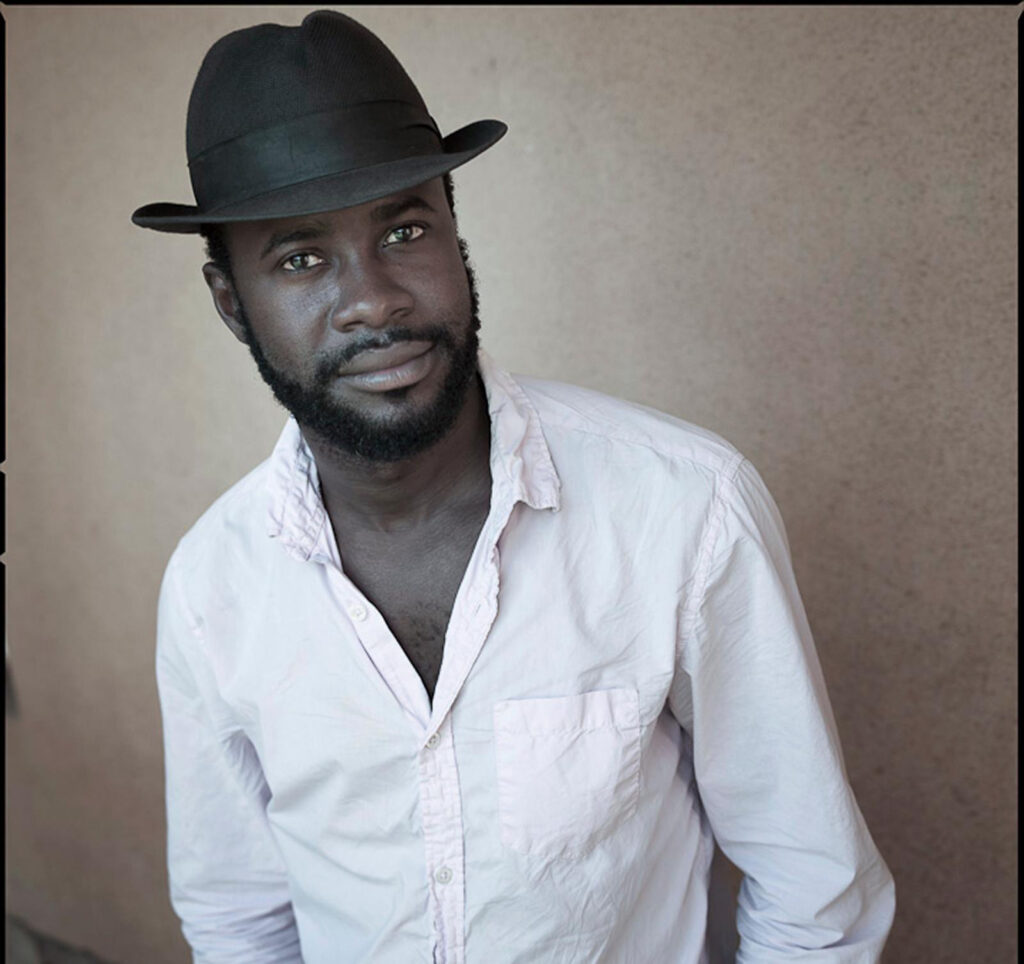
Nyaba L. Ouedraogos photographic work investigates the sacred as a living space shaped by cultural, ecological, and spiritual tensions. In the series THE SACRED: HUMAN, ANIMAL AND PLANT, he explores how humans, animals, and plants coexist in environments where inherited practices remain closely intertwined with the present. The sacred crocodile pond of Bazoulé serves as a point of departure for examining the fragile balance between cultural heritage and ecological change.
Organic forms, textures reminiscent of skin or earth, and movements emerging from the imaginary are not merely aesthetic choices. They reveal a multilayered relationship with a place where cultural rituals, spiritual beliefs, and natural ecosystems continue to sustain one another. The sacred crocodile, a traditional protective figure, becomes a symbolic measure of the health of nature. It serves as a reminder that the sacred can endure only if the environment that sustains it remains intact.
In Burkina Faso, sacred ponds are among the last functioning traditional ecosystems. Climatic changes, such as declining water levels and habitat loss, threaten not only crocodile populations but also the symbolic structures that hold communities together. The sacred thus becomes a space where questions of environmental conservation intersect with questions of identity. Preserving the pond means protecting both an ecosystem and a world of meanings. This reveals a paradox of the Anthropocene: traditional knowledge that has long helped protect the environment must now confront disruptions that lie beyond the reach of local leverage.
In a world where human activity is altering natural cycles, the crocodile stands as a symbol of vulnerability. Its survival depends on water quality, soil stability, and the availability of resources, conditions that are increasingly being undermined by climate change.
The people depicted in the images embody community, continuity, and ecological responsibility. Their relationship with the crocodile and the plant world reflects a worldview in which humans are not separate from nature. The plants point to the fragility of growth cycles and the need to treat the environment with respect. Finally, through its mere presence, the crocodile reveals the extent to which ecological destruction has already progressed.
Ouedraogo does not only document rituals or landscapes. The gestures he captures become acts of quiet resistance. They suggest that the sacred opens up alternative ways of relating to the living world, ways grounded in responsibility, reciprocity, and continuity.
With THE SACRED: HUMAN, ANIMAL AND PLANT, he invites us to view traditional ecosystems not as nostalgic remnants of the past, but as a foundation for new ways of inhabiting the Earth. His photography becomes a space for critical reflection on our role within the living world and the urgent need to engage with it responsibly in ways that are capable of meeting the challenges of our time.
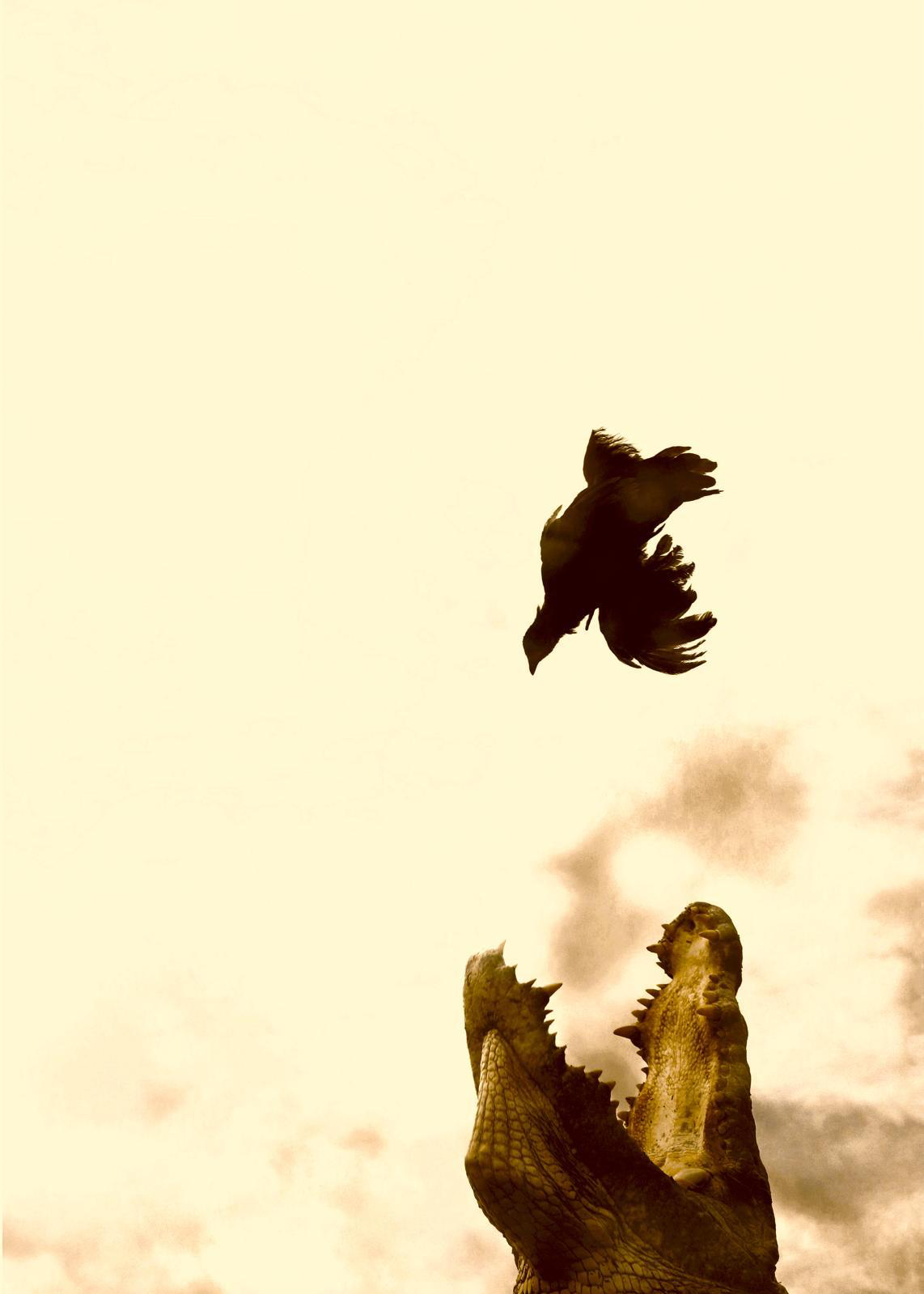
Nyaba Léon Ouedraogo | Série “Crocodiles sacré” – Le poulet et le crocodile | 100 x 70 cm |Pigment inkjet print on baryta paper, mounted on aluminium | 2025 | Courtesy of the artists and Galerie Christophe Person
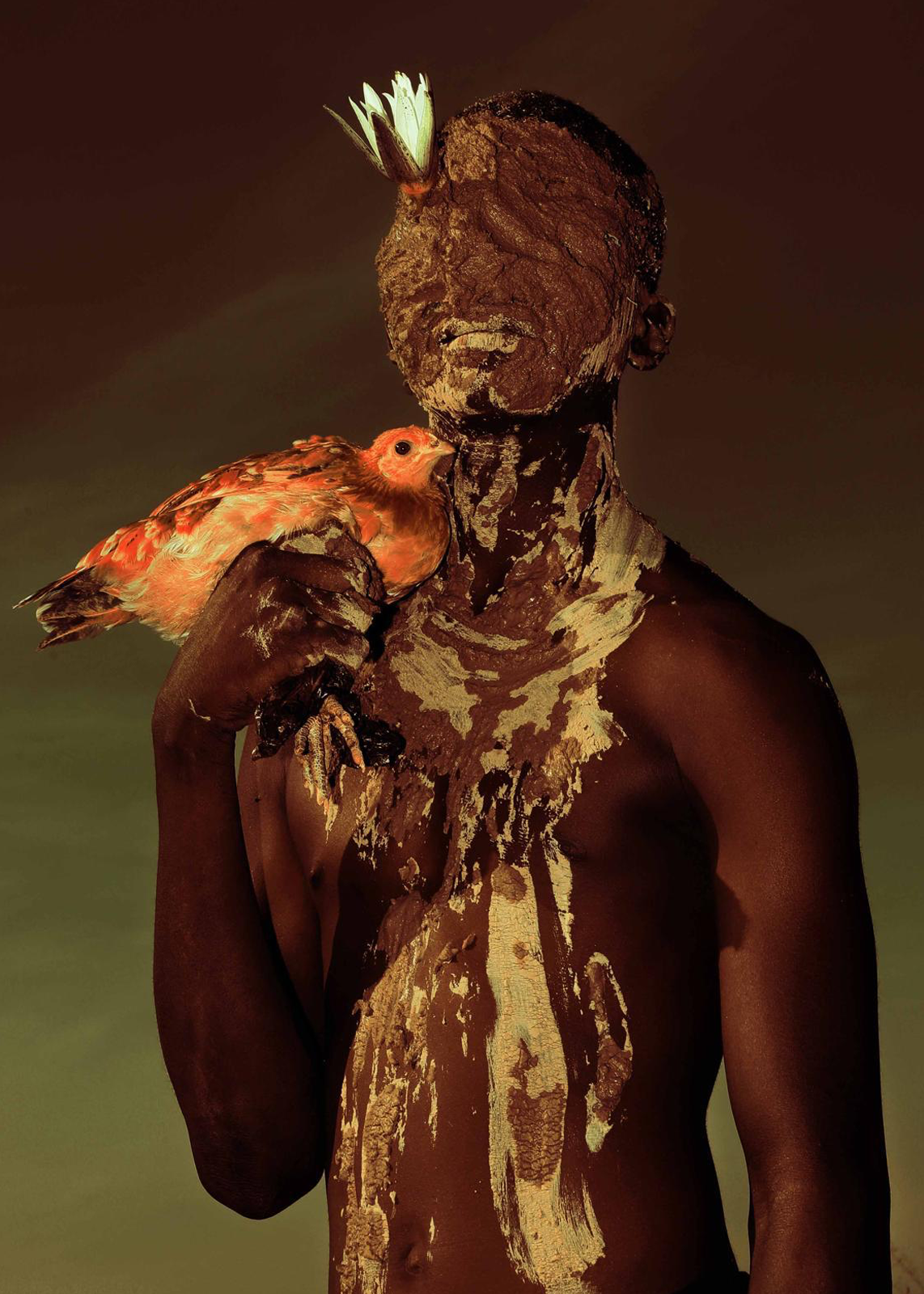
Nyaba Léon Ouedraogo | Série “Crocodiles sacré” – La surréalité | 100 x 70 cm | Pigment inkjet print on baryta paper, mounted on aluminium | 2025 | Courtesy of Galerie Christophe Person