

WHY ISN’T THE DR CONGO THE RICHEST COUNTRY IN THE WORLD? | TALK
with Olande Byamungu (DR Congo), activist and lawyer; Tabitha Tshimbalanga (DR Congo), FreeCongo Collective; Dr Tristan Oestermann, research fellow at the Leibniz Centre for Contemporary History in Potsdam; Moderator: Ridal Carel Tchoukuegno
SUN 15 NOV
2–3:30 PM MISS READ SPACE
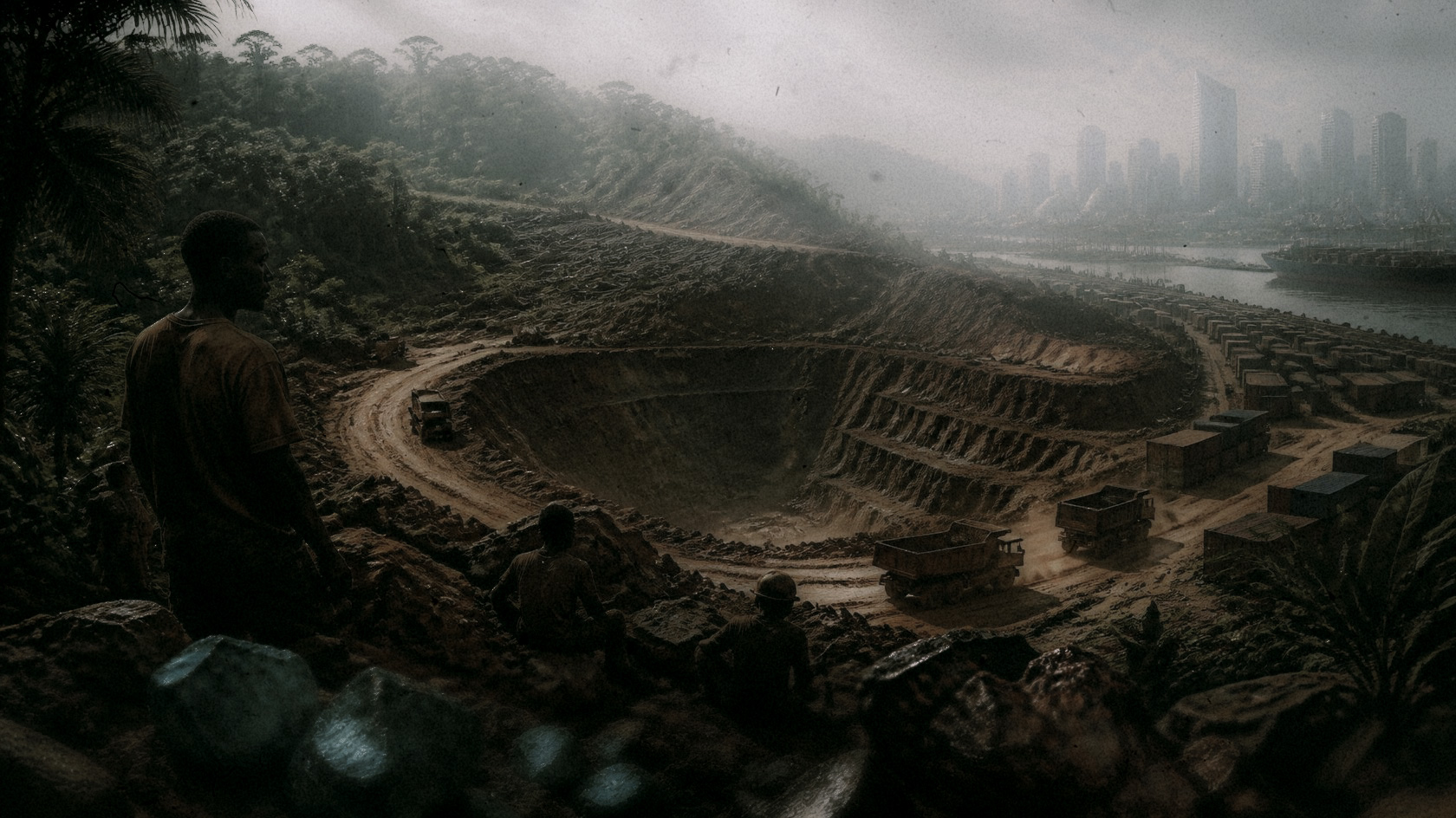
In Germany, there is still far too little awareness of the situation in the Democratic Republic of the Congo, one of the most resource-rich countries in the world, which is currently also affected by an Ebola outbreak. For more than 30 years, conflicts have been fought over the country’s natural resources. The region holds vast deposits of technology-critical minerals such as cobalt, coltan and lithium, as well as copper, tin and manganese.
These raw materials are essential components in the production of computers and mobile phones, as well as electric vehicles, which are intended to help European and other countries around the world transition towards more climate-friendly economies. Various armed groups and international actors are competing for control over these resources in an effort to meet global demand for raw materials, plunging the region into conflict and instability and resulting in hundreds of thousands of victims.
In the panel WHY ISN’T THE CONGO THE RICHEST COUNTRY IN THE WORLD?, filmmakers, activists and experts will join the audience to discuss the current situation in the region, the ongoing conflicts, the struggle for control over natural resources and the consequences for Congolese society. For outside observers, the roles played by the various actors in these conflicts are often difficult to determine with certainty. Questions of responsibility and accountability remain obscured, while those who profit from the situation often remain hidden from view.
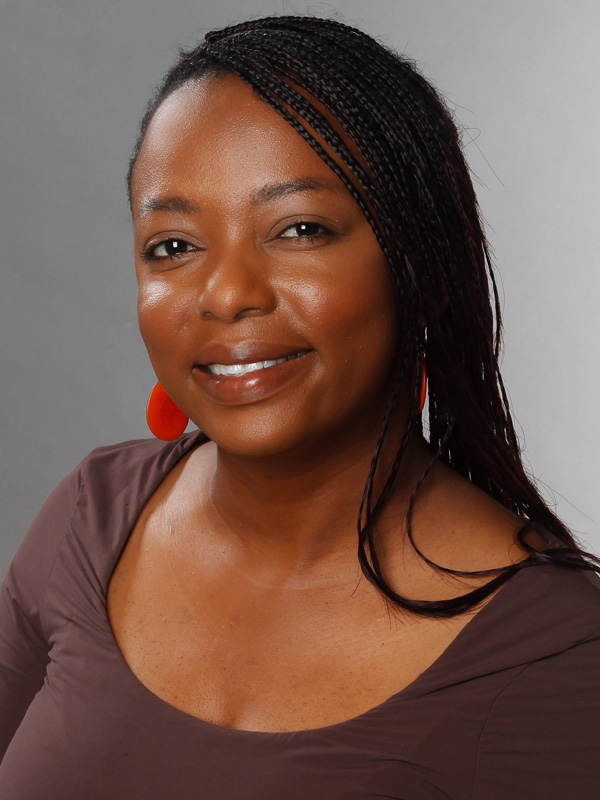
Olande Byamungu (lawyer and activist)
Olande Byamungu is originally from the Democratic Republic of the Congo (DRC), and lives in Germany. She has experience in the fields of media, human rights, migration and civil society engagement, both in the DRC and in Germany.
She currently works at the Psychosocial Centre for Refugees in Düsseldorf, where she provides guidance and support to refugees. In the DR Congo, she worked as a journalist and reporter for Radio Sauti la Rehema in Bukavu (South Kivu), with a particular focus on communication and raising awareness of women’s rights.
She is a member of the board of the NGO Action Chaîne de Solidarité Universelle, which supports women in rural areas and children affected by armed conflict in South Kivu. She was also president of the NGO Volontaire pour le Développement Rural (VDR), where she addressed issues of development, environmental protection and the exploitation of natural resources, as well as their impact on local communities.
Alongside her legal and civil society work, Olande Byamungu is involved in documentary film and theatre.
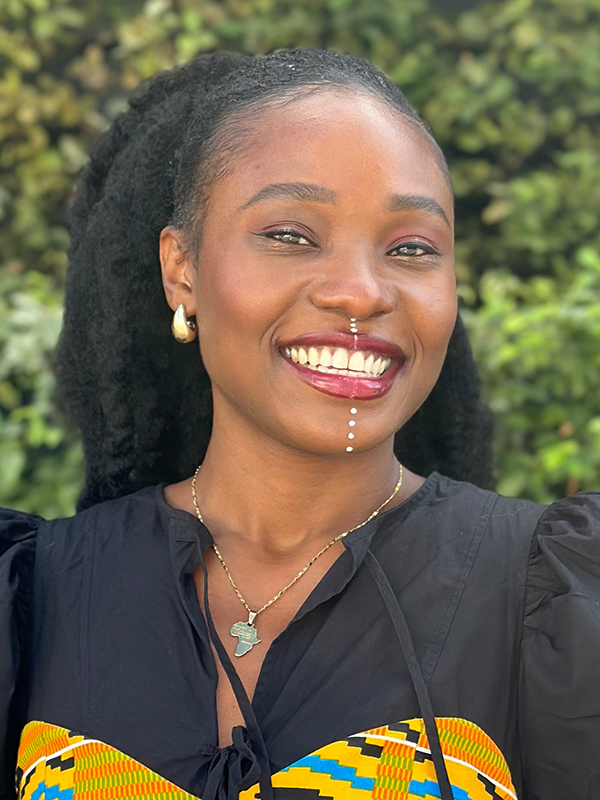
Tabitha Tshimbalanga (FreeCongo Collective)
Tabitha Tshimbalanga was born and raised in the Democratic Republic of the Congo. Due to the wars of the 1990s, she and her family fled to Germany.
After completing her bachelor’s degree in Comparative Literature and English Studies, she gained professional experience in digital marketing, project management, and interpreting. Since childhood, she has been actively involved in volunteer work within churches and community organizations, advocating for the well-being of the diaspora. In 2023, she co-founded the FreeCongo Collective alongside two other individuals. The initiative aims to unite voices and raise awareness of the ongoing conflicts in the eastern DR Congo. Since its founding, and in collaboration with numerous volunteers, the collective has organized several rallies, marches, and information events in cities such as Dortmund, Cologne, Freiburg, and Munich.
Among its notable achievements are the organization of the sold-out premiere of the film Muganga in Cologne in January 2026, as well as Congo Week in October 2026 in Berlin. The collective strives to raise awareness among local political actors in the Congo, the international political community, and civil society worldwide about their shared responsibility. It also draws attention to injustices and colonial continuities in the DR Congo. When Tabitha is not managing projects or mobilizing communities in Germany for the cause of the FreeCongo Collective, she travels with the team at Focus Congo e.V. to various parts of eastern DR Congo. There, she documents the current situation and works on implementing bridge-building projects between Germany and the Congo that benefit internally displaced persons.
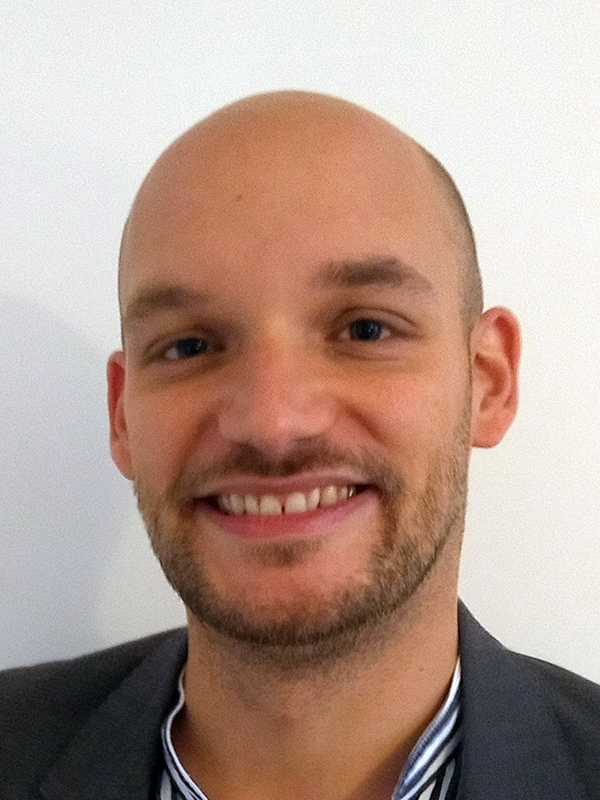
Dr Tristan Oestermann (Research Associate Leibniz Centre for Contemporary History Potsdam)
Tristan Oestermann’s research focuses intensively on the history of economic relations between Africa and Europe. In his doctoral thesis at Humboldt University in Berlin, Tristan Oestermann examined African-European labour relations in the rubber trade in Cameroon during German colonial rule. In his current project, he is researching the history of the pharmaceutical industry following decolonisation, using the anti-malarial drug quinine as a case study. The research focuses on the interconnections between European pharmaceutical companies and the governments of the Congo and Indonesia.
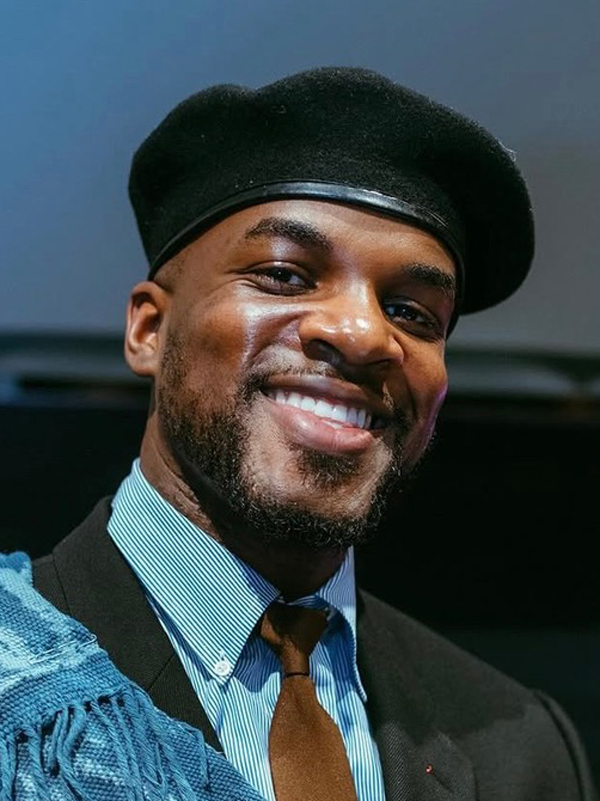
Ridal Carel Tchoukuegno
A winner of the International Music Journalism Award and runner-up in the team category for Journalist of the Year 2025, Ridal Carel Tchoukuegno, with his background in comparative literature, cultural studies and rhetoric, cuts to the heart of complex issues – whether as co-founder of the annual Afro-diasporic literature festival ‘Night of Diversity — an Afro-Diasporic Literary Journey’ in Stuttgart, for the Federal Agency for Civic Education, for ARD, and as a writer for Die Zeit, Der Spiegel, WDR and a host of other renowned institutions.